
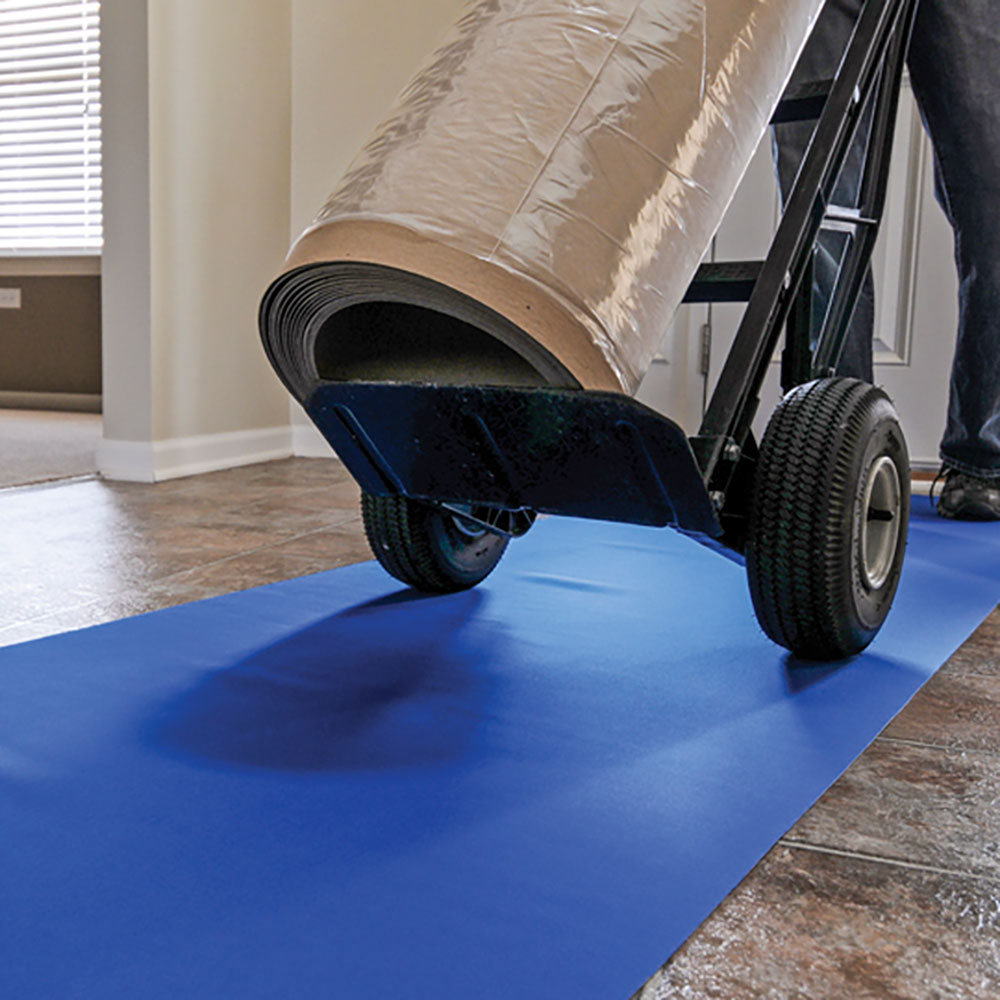

Hardwood and tile floors are 2 pretty popular choices in Aussie homes , office spaces , renovation projects & fit-outs . They look good, add value, and with the right care can last for years to come . But during construction, painting, moving, or maintenance work, either surface can get damaged if the wrong protection is used – or if no protection is used at all – and it’s even worse if you’ve gone with the wrong option for the job.
A common mistake is thinking all floors can be protected the same way. Hardwood and tiles have different risks, or rather, different vulnerabilities. Hardwood can get scratched, dented, stained, or react badly to moisture and the wrong tapes. Tiles aren’t as soft but can still get chipped, cracked, stained, or collect dust and grime in the grout lines.
So, what’s the right floor protection for you? Well, the answer all depends on the type of floor, the job being done, how much traffic the area gets & how long the protection is going to sit there.
Why Floor Protection Matters
Floor protection is not just about keeping a site clean as a whistle. Its about preventing costly damage, reducing defects, avoiding disputes & making the whole handover process smoother.
During renovation and construction work, floors are exposed to:
- People traipsing in & out with their boots on
- Dirt, sand, & grit from under peoples boots
- Tools & materials falling from height
- Paint, plaster dust, adhesives, & sealants getting everywhere
- Ladders, trolleys and all sorts of equipment
- Furniture & building materials being moved around
- Moisture, cleaning products & wet trade work
Even one small scratch or chip can become a huge problem at the end of a project. A damaged hardwood floor might need sanding & re-coating. A chipped tile might need to be replaced. Stained grout can be a nightmare to clean. In most cases its way cheaper to prevent damage in the first place.
Hardwood Floors: What Can Go Wrong?
Hardwood flooring includes solid timber, engineered timber, parquetry & other timber-style surfaces. These floors are great for their warmth and natural look, but they can be super sensitive during building and renovation work.
Some common risks for hardwood floors include:
- Scratches from the sand, grit or dragged materials
- Dents from dropped tools or heavy equipment
- Moisture getting trapped by unsuitable protection
- Paint, stain, adhesive or chemical marks
- Tape residue or the wrong coating damaging the finish
Hardwood floors need protection that can take a bit of a pounding from site activity but also won’t damage the surface. Builders & renovators should also be careful not to put unsuitable adhesive tapes directly on timber, especially if the floor has been recently coated or polished.
In many cases, a builder floor protection will be the way to go for timber floors. This is especially the case when the timber finish still needs to set or when moisture movement is a concern. Get it wrong & you can trap moisture or mess up the finish.
Hardwood floor protection is especially important when trades will be painting, plastering, moving materials, installing joinery, moving appliances & using ladders over the finished timber.
Tile Floors : What Can Go Wrong?
Tiles are generally a bit more hardy then hardwood, but they’re not invincible . Ceramic, porcelain, stone & outdoor tiles can still get chipped, cracked, stained or marked during construction and renovation work.
Some common risks for tile floors include:
- Chipping off the edges
- Cracks from dropped tools or heavy loads
- Grout staining
- Paint, adhesive, silicone or grout residue
- Scratches on glossy or high-shine tiles
- Dust and dirt collecting in the grout lines
- Slippery surfaces during wet or dusty work
Tile damage can be a right pain to fix if matching tiles are no longer available. This is often the case in renovation projects where the original tiles were installed years ago.
Tile floors generally need protection that can handle impact, spills, dust & high foot traffic. In areas where tools & materials are being delivered & trolleys are being used, a bit more heavy-duty protection is probably needed.
Hardwood vs Tiles : Whats the Main Difference?
The main difference between the two is the type of risk either floor type faces.
Hardwood floors are more prone to scratches, dents, moisture issues & coating damage. Tile floors are more prone to impact damage, grout staining, residue & cracks.
This means hardwood floors often need softer, breathable, surface-safe protection. Tiles on the other hand often need stronger, impact-resistant, water-resistant protection.
However, the project conditions are just as important as the floor type. For example, a tiled hallway being used as the main entry-way might need heavier-duty protection than a timber bedroom with minimal foot traffic. A freshly coated timber floor might need a lot more careful protection than an older timber floor during some minor painting work.
Do You Need Heavy-Duty Floor Protection?
Heavy-duty floor protection is a good idea when the site has a higher risk of damage. This includes projects where trades will be moving in & out regularly, or where tools, ladders, materials & equipment will be used. You might need heavy-duty protection if :
- The project is going to be a long haul, running for days or even weeks
- You’re going to be moving materials all over finished floors
- You’ll be using ladders, scaffolds or similar to get the job done
- You’ve got trolleys or equipment that will need to move around on the floor
- You’re going to be installing joinery, appliances or furniture
- your floor is an expensive or difficult one to repair
- Plus , if the project is close to being finished and handed over
For hardwood , you want heavy-duty protection that won’t damage the surface even if it is surface-safe. For tiles, it should help stop chips, cracks, dust and grout getting everywhere.
Do You Need Breathable or Water-Resistant Protection ?
Breathable protection is pretty much a necessity for hardwood and also often required for newly coated timber floors, engineered timber or floors where moisture is a bit of a worry
Water-resistant protection is useful when there’s a risk of spills, messy trades, cleaning, painting, plumbing etc
With hardwood though , you’ve got to be careful not to trap any moisture up against the timber – that can cause all sorts of problems. So make sure the product you choose is suitable for the surface. On the other hand , for tiles , water-resistant protection can really help keep those grout lines and tile surfaces looking clean even when work gets messy
Common Floor Protection Mistakes That Will Cost You
All sorts of floor protection issues crop up because people are either caught out too late or they just use the wrong product
Mistakes we see all the time include:
- Using the same old product on every type of floor – doesn’t work that way
- Putting protection on the floor after damage has already occurred – far too late for that
- Using the wrong tape on hardwood – doesn’t help at all
- Leaving gaps in high-traffic areas – that’s just an invitation for problems
- Allowing dust, screws or grit to get underneath the protection
- Removing protection too early
- Dragging heavy gear across the floor – can’t stress this one enough
- Ignoring the grout lines on tiled floors – they’ll be the death of you if you do
- Failing to check on protection that’s damaged or loose – can’t just leave it
As a project goes along, you’ve got to keep an eye on the floor protection – if it starts getting torn or dirty or wet just fix or replace it
Choosing The Right Floor Protection
Hardwood floor protection is what you need if you’re worried about scratches , dents or moisture sensitivity – or if you just want to protect that nice natural timber finish
Tile floor protection is the way to go if your main concern is impact damage or grout staining or residue or all that other stuff
Heavy-duty protection is the one to go for if the floor is going to be under attack from tools, ladders, deliveries and trolleys and the like
Breathable protection is the way to go if you’ve got a timber floor (especially if its newly coated) or if it needs a bit of airflow
And water-resistant protection is what you need if you’re doing any painting, plumbing, cleaning or other wet trade work
The safest way to do it is to match the product to the surface and the work you’re doing – not just the general type of floor
Final Thoughts
Both hardwood and tile floors need protection – but they don’t need the same kind of protection. Hardwood floors are best with careful , surface-safe protection that stops scratches, dents and all that other damage. Tile floors on the other hand need something that can take a real beating and stop all that impact damage and grout staining and other stuff.
By getting the best floor protection sorted out early on, builders, renovators, painters and all the rest can avoid having to put up with costly repairs, dodgy defects and a whole lot of other hassle – and deliver a finish that looks and feels like a million bucks
Want to learn more about builders floor protection for hardwood, tiles and other finished floors ? Check out floorprotection.com.au for everything you need to know about construction floor protection in Australia.