
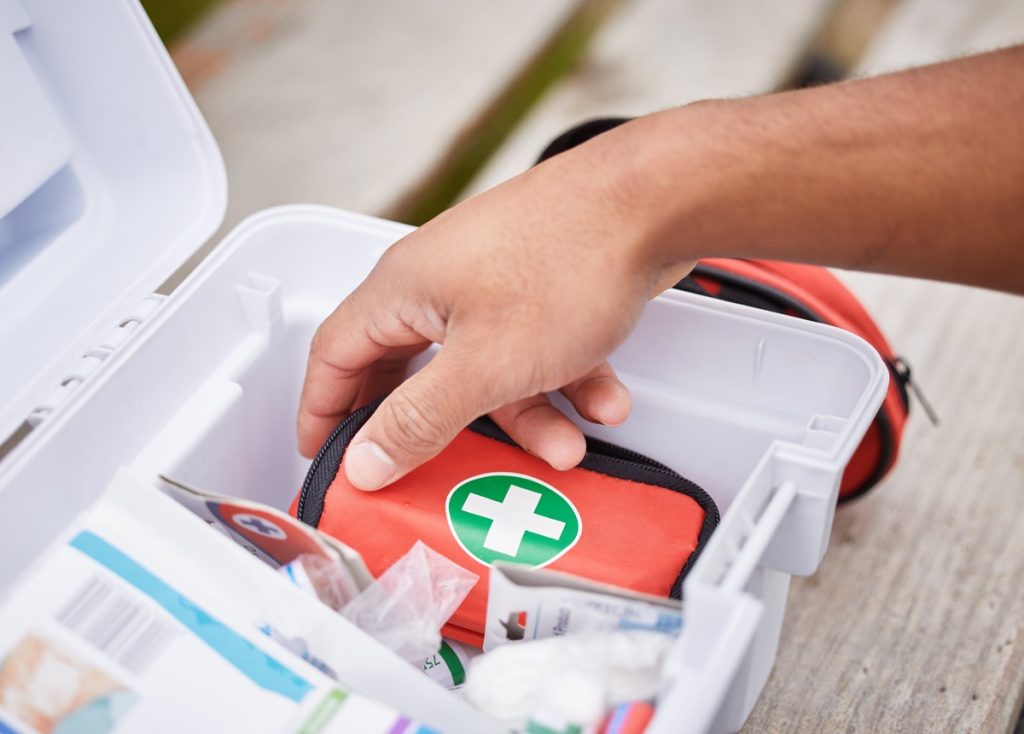

Sending your kids off to school each day involves a leap of faith. You trust that they’ll be safe, cared for, and that any bumps along the way will be handled with competence. One crucial element in ensuring their well-being is the presence of a well-stocked and readily accessible first aid kit. Understanding what constitutes a comprehensive kit and why it’s important can provide significant peace of mind. Investing in the right first aid kit for school is an investment in your child’s safety.
But it’s not just about having a box full of bandages. It’s about having the right supplies, organised effectively, and accompanied by trained staff who know how to use them. This article will explore the essential components of a school’s first aid kit, discuss the regulations and guidelines surrounding them, and highlight the importance of proper training and maintenance. Let’s dive in and ensure our schools are prepared to handle any minor emergency that might arise.
Why is a comprehensive first aid kit essential for schools?
Schools are vibrant hubs of activity, where children learn, play, and interact. Unfortunately, this also means that minor injuries are fairly common. From playground scrapes to classroom accidents, a well-equipped first aid kit is essential for providing immediate care and preventing minor incidents from escalating into more serious problems. A prepared school environment fosters a sense of security for students, staff, and parents alike.
Think of it this way: a first aid kit is like an insurance policy. You hope you never have to use it, but you’re certainly glad it’s there when you need it. It allows teachers and staff to respond quickly and efficiently to minor injuries, providing comfort and reassurance to injured students. It also demonstrates a commitment to student well-being, which can strengthen the bond between the school and the community.
The role of first aid in creating a safe learning environment
A safe learning environment is fundamental to a child’s ability to thrive. When children feel safe and secure, they are more likely to engage in learning, participate in activities, and build positive relationships. First aid plays a vital role in creating this environment by addressing immediate health concerns and providing a sense of security. It’s not just about treating injuries; it’s about fostering a culture of care and responsibility.
Imagine a child who falls and scrapes their knee on the playground. If there’s no one available to provide immediate first aid, the child may feel scared, anxious, and uncertain. However, if a teacher or staff member can quickly clean and bandage the wound, the child will likely feel reassured and supported. This positive experience can help to build trust and confidence in the school environment.
Meeting duty of care requirements
Schools have a legal and ethical duty of care to protect the health and safety of their students. This includes providing adequate first aid facilities and ensuring that staff are trained to respond to emergencies. Failing to meet these requirements can result in legal action and reputational damage. A well-equipped first aid kit is a visible demonstration of a school’s commitment to fulfilling its duty of care.
Compliance with regulations ensures the safety and well-being of all students and staff. Regular audits and updates to the kit are essential to maintain its effectiveness. By prioritising first aid preparedness, schools can create a safer and more supportive environment for everyone.
What should be included in a comprehensive school first aid kit?
The contents of a first aid kit should be tailored to the specific needs of the school and the age range of the students. However, there are some essential items that should be included in every kit. These items will allow staff to handle a wide range of common injuries and medical conditions. Having the right tools on hand is crucial for effective first aid response.
Think of your first aid kit as a toolbox for health. Just as a mechanic needs the right tools to fix a car, school staff need the right supplies to address medical needs. A well-stocked kit ensures they’re prepared for anything that comes their way, from minor cuts and bruises to more serious emergencies. Here’s a breakdown of essential items:
Essential items for treating common injuries
The following items are essential for treating common injuries that may occur in a school setting:
- Adhesive bandages: A variety of sizes and shapes to cover minor cuts and scrapes.
- Sterile gauze pads: For cleaning and covering wounds.
- Antiseptic wipes: To disinfect wounds and prevent infection.
- Medical tape: To secure bandages and dressings.
- Scissors: For cutting bandages and tape.
- Tweezers: For removing splinters or foreign objects.
- Instant cold packs: To reduce swelling and pain from injuries.
- Eye wash solution: To flush out irritants from the eyes.
- Burn cream: To soothe minor burns.
These items form the foundation of a good first aid kit, enabling staff to address common injuries quickly and effectively. Regular checks and restocking ensure the kit is always ready for use.
Medications and other important supplies
In addition to the basic supplies, a comprehensive first aid kit should also include the following medications and other important items:
- Pain relievers: Such as paracetamol or ibuprofen, for relieving pain and fever (with parental consent).
- Antihistamine: For treating allergic reactions (with parental consent).
- EpiPen: For students with known allergies (with proper training and authorisation).
- Gloves: To protect against infection.
- CPR mask: For performing rescue breaths during CPR.
- Emergency blanket: To keep injured individuals warm.
- First aid manual: To provide guidance on how to treat various injuries and medical conditions.
- Incident report forms: To document any incidents that occur.
It’s important to note that the administration of medication should always be done with parental consent and in accordance with school policies. Proper documentation and training are crucial for ensuring the safe and effective use of these supplies.
Australian guidelines and regulations for school first aid kits
In Australia, schools are required to comply with various guidelines and regulations regarding first aid. These guidelines are designed to ensure that schools have adequate first aid facilities and that staff are trained to respond to emergencies. Familiarising yourself with these standards is crucial for maintaining a safe and compliant environment.
These regulations provide a framework for schools to develop and implement effective first aid procedures. They cover everything from the contents of the first aid kit to the training requirements for staff. Adhering to these guidelines helps schools minimise risks and ensure the well-being of their students.
National Safe Work Australia guidelines
Safe Work Australia provides national guidelines on first aid in the workplace, which also apply to schools. These guidelines outline the minimum requirements for first aid facilities, equipment, and training. Schools are required to conduct a risk assessment to determine the specific first aid needs of their students and staff.
The risk assessment should consider factors such as the number of students, the types of activities that take place at the school, and the potential hazards that may be present. Based on the risk assessment, the school should develop a first aid plan that outlines the procedures for responding to emergencies. This proactive approach ensures that schools are well-prepared to handle any situation that may arise.
State and territory regulations
In addition to the national guidelines, each state and territory in Australia may have its own specific regulations regarding school first aid kits. These regulations may vary depending on the location and the type of school. It is important for schools to be aware of and comply with the regulations in their specific jurisdiction.
These state and territory regulations often supplement the national guidelines, providing more detailed requirements for first aid provision. Schools should consult with their local education authorities to ensure they are meeting all the necessary requirements. Staying informed about these regulations is an ongoing process that ensures continued compliance.
Training and maintenance: ensuring your first aid kit is always ready
Having a well-stocked first aid kit is only half the battle. It’s equally important to ensure that staff are properly trained in first aid and that the kit is regularly maintained. Untrained staff and expired supplies render a first aid kit virtually useless. Proper training and maintenance are essential for ensuring that the kit is ready to use when needed.
Think of it like owning a car. You can have the best car in the world, but if you don’t know how to drive it or keep it maintained, it won’t be very useful. Similarly, a first aid kit is only effective if staff know how to use the supplies and keep the kit in good condition. Here’s what you need to know:
Importance of first aid training for school staff
First aid training equips school staff with the knowledge and skills to respond effectively to emergencies. Training should cover a range of topics, including basic life support, wound management, and the treatment of common medical conditions. Regular refresher courses are essential to keep skills up-to-date.
Trained staff can confidently assess situations, administer first aid, and provide reassurance to injured students. This not only improves the immediate outcome but also fosters a sense of security and trust within the school community. Investing in first aid training is an investment in the well-being of students and staff.
Regular maintenance and restocking
A first aid kit should be inspected regularly to ensure that all items are in good condition and that nothing is expired. Expired medications and supplies should be replaced immediately. The kit should also be restocked after each use. It’s crucial to have a system in place for tracking inventory and ensuring that the kit is always fully stocked.
Designate a responsible person to oversee the maintenance of the first aid kit. This person should be trained in first aid and familiar with the contents of the kit. Regular inspections and restocking ensure that the kit is always ready to use in an emergency. A well-maintained kit is a reliable resource that can make a significant difference in the outcome of an injury or medical condition.
Choosing the right school first aid kits
Selecting the appropriate school first aid kits requires careful consideration of the school’s specific needs and circumstances. Factors such as the size of the school, the age range of the students, and the types of activities that take place should all be taken into account. Investing in a high-quality kit that meets these needs is essential for ensuring the safety and well-being of students and staff.
A poorly chosen first aid kit is like wearing shoes that don’t fit – it’s uncomfortable and ineffective. A well-chosen kit, on the other hand, is like having a tailored suit – it fits perfectly and allows you to perform at your best. Here’s what to consider when making your selection:
Assessing your school’s specific needs
Before purchasing a first aid kit, it’s important to conduct a thorough assessment of your school’s specific needs. Consider the following factors:
- Number of students and staff: A larger school will require a larger kit with more supplies.
- Age range of students: Younger children may require different supplies than older students.
- Types of activities: Schools with sports programs or outdoor activities may require additional supplies.
- Potential hazards: Identify any potential hazards that may be present at the school, such as science labs or workshops.
- Existing medical conditions: Consider any existing medical conditions that students may have, such as allergies or asthma.
By carefully assessing your school’s specific needs, you can choose a first aid kit that is tailored to your unique circumstances. This ensures that you have the right supplies on hand to address any emergency that may arise. A well-planned approach to first aid preparedness is a sign of a responsible and caring school community.
Factors to consider when purchasing a kit
When purchasing a first aid kit, consider the following factors:
- Quality of supplies: Choose a kit that contains high-quality supplies that are designed to last.
- Completeness: Ensure that the kit contains all the essential items needed to treat common injuries and medical conditions.
- Organisation: Choose a kit that is well-organised and easy to use.
- Portability: Consider whether the kit needs to be portable for use on the playground or during off-site activities.
- Compliance: Ensure that the kit complies with all relevant Australian guidelines and regulations.
By considering these factors, you can choose a first aid kit that is both effective and reliable. A high-quality kit that meets your school’s specific needs will provide peace of mind and ensure that you are prepared to handle any emergency that may arise.
Conclusion
A comprehensive first aid kit is an essential component of a safe and supportive school environment. By providing immediate care for minor injuries and medical conditions, first aid helps to create a sense of security and well-being for students, staff, and parents. Adhering to Australian guidelines and regulations, providing adequate training for staff, and maintaining the kit regularly are all crucial for ensuring its effectiveness. Investing in the right school first aid kits is an investment in the health and safety of your school community.
Ultimately, a well-prepared school is a school that cares. By prioritising first aid, you demonstrate a commitment to the well-being of your students and staff, creating a learning environment where everyone can thrive. So, take the time to assess your school’s needs, choose the right kit, and ensure that your staff are properly trained. The peace of mind it provides is priceless.
Also Read: What School First Aid Supplies *Actually* Need to Be in Your Kit?