
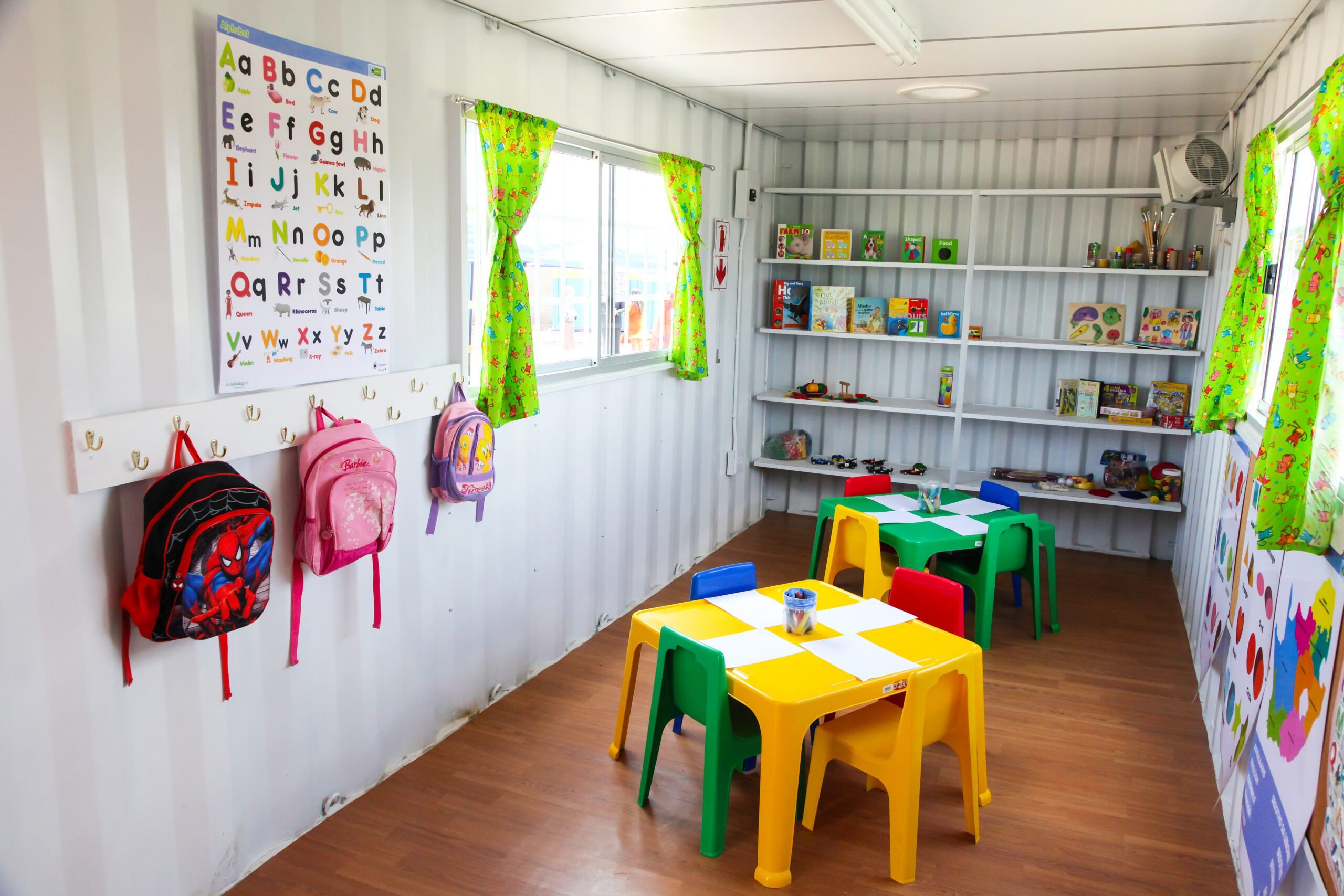

Creating a functional workshop doesn’t have to drain your budget or take months to complete. With the rise of modular construction and adaptive reuse, people are turning to shipping containers and other modular structures to create efficient workspaces that meet industrial, commercial, and creative needs.
This article explores practical strategies to design and set up a cost-effective workshop, focusing on flexibility, safety, and sustainability.
Why Modular and Container-Based Workshops Are Rising in Popularity
Traditional workshops often involve high construction costs, lengthy approvals, and ongoing maintenance. In contrast, modular builds offer flexibility and scalability. Repurposed containers, in particular, provide a weather-resistant, movable, and eco-friendly foundation for all types of workspaces from small repair stations to full-scale industrial hubs.
Container-based workshops are popular in:
- Mining and construction sites: Easy to transport and set up near project locations.
- Agriculture and farming: Used as repair sheds or tool storage areas.
- Automotive and fabrication businesses: Converted into enclosed, secure, and insulated spaces.
- Creative industries: Artists and makers use them as portable studios.
To see how these workshops are built and optimized for function, check out everything you need to know about sea container workshops, which covers the essentials of transforming containers into durable workspaces.
How to Design a Workshop That Works for You
Building a workshop that balances efficiency and comfort requires planning around workflow, materials, and usage.
1. Define Your Primary Purpose
The first step is understanding how you’ll use the space. Whether it’s for mechanical work, woodworking, or storage, your purpose determines layout, insulation, lighting, and ventilation needs.
Ask these key questions:
- Will you operate heavy machinery or light tools?
- How often will materials or vehicles move in and out?
- Do you need separate areas for clean work and dirty work?
Once your goals are clear, design around them.
2. Choose a Durable Base
A strong foundation is essential. Many workshops start with concrete slabs, but modular solutions can sit on compacted ground or adjustable footings. This makes them ideal for sites with uneven terrain or temporary setups.
Shipping container units, in particular, come pre-built with structural integrity and can be stacked or linked for larger layouts.
3. Plan for Power, Lighting, and Ventilation
Efficient workshops depend on proper infrastructure. Install energy-efficient LED lighting for visibility and low running costs. Natural light from skylights or translucent panels also reduces power consumption.
Ensure there’s proper airflow, especially in workshops with fumes or dust. Louvered vents or roof turbines can help maintain a safe temperature.
Maximizing Space with Smart Layouts
Efficient layout design makes all the difference between a cramped space and a productive one.
Zone Your Space
Separate the workshop into functional zones such as:
- Work area: Benches, tools, and machines.
- Storage: Shelves, racks, and containers for materials.
- Admin or office space: A small desk for plans, invoicing, or digital tools.
Using dividers or insulation panels can control noise and temperature between sections.
Use Vertical Storage
Wall-mounted racks, pegboards, and hanging shelves keep the floor clear and improve safety. Containers naturally lend themselves to vertical organization due to their tall, rectangular interiors.
Optimize Access Points
Wide double doors or roller doors make it easier to move large equipment in and out. Position entryways based on workflow minimizing unnecessary movement across zones.
Insulation and Temperature Control
Metal structures absorb and release heat quickly. Insulating your workshop keeps it usable year-round, especially in Australia’s variable climate.
Recommended materials include:
- Spray foam insulation: Provides excellent coverage and prevents condensation.
- Rockwool or fiberglass panels: Cost-effective for wall linings.
- Reflective foil insulation: Ideal for roofs to reduce radiant heat.
Combine insulation with proper ventilation to maintain consistent air quality and comfort.
Sustainable Building Considerations
Sustainability isn’t just about materials; it’s about long-term efficiency. Using recycled materials and energy-smart systems can reduce your carbon footprint and operational costs.
Energy Efficiency
- Install solar panels to power lights and small tools.
- Use LED lighting and motion sensors to minimize energy waste.
- Opt for rainwater collection systems for cleaning or non-potable use.
Material Reuse
Container-based workshops already support sustainability by reusing existing steel structures. This approach cuts down on manufacturing emissions and construction waste.
Cost Breakdown: Container Workshop vs. Traditional Build
| Aspect | Container Workshop | Traditional Build |
| Setup Time | Weeks | Months |
| Average Cost (Australia) | $15,000–$40,000 | $50,000+ |
| Mobility | Portable | Fixed |
| Maintenance | Low | Moderate to high |
| Sustainability | High (recycled steel) | Variable |
Using modified containers provides significant cost and time savings, especially for businesses that need rapid deployment or remote access.
Real-World Example: Portable Workshops on Mining Sites
Australian mining companies often deploy mobile workshops near active dig sites. These workshops include container-based repair bays, tool storage, and staff rest areas.
By placing these facilities close to operations, workers spend less time traveling and more time maintaining machinery. When the project relocates, the containers move with it saving both money and downtime.
This level of portability is a major advantage for companies working across multiple remote regions.
Common Mistakes When Building a Workshop
Even with modular systems, planning errors can cost time and money. Avoid these common pitfalls:
- Ignoring local regulations. Some areas require permits for permanent or semi-permanent structures.
- Underestimating electrical load. Ensure circuits handle equipment safely.
- Skipping insulation. Condensation can cause rust and tool damage.
- Overcrowding. Leave enough space for safe tool operation and movement.
Proper planning from the start prevents costly retrofits.
Why Containers Make Sense for Small Businesses
For small businesses or independent tradespeople, container workshops offer scalability without committing to a full construction project. They can start with one unit and expand later by adding another.
The flexibility appeals to mechanics, carpenters, and start-up manufacturers who want to test operations before investing in a permanent facility.
Since containers are modular, they can also be transformed into customer-facing areas or display spaces. Businesses benefit from professional setups that can grow as demand increases.
Long-Term Maintenance Tips
A well-maintained container workshop can last decades. Regular upkeep helps retain its durability and resale value.
- Inspect seals and joints: Prevent water ingress and rust.
- Repaint or coat steel surfaces: Every few years, apply anti-corrosive paint.
- Clean vents and filters: Keeps airflow strong and air quality high.
- Update lighting and wiring: As your toolset grows, upgrade power safely.
These small actions extend the lifespan of your workspace and protect your investment.
Final Thought
Building an affordable, functional workshop doesn’t have to follow traditional methods. Modular systems and shipping containers let you create durable, flexible, and efficient workspaces without the usual delays and high expenses. Whether for industrial or creative use, this approach gives you full control over design, mobility, and sustainability all while staying within budget.