
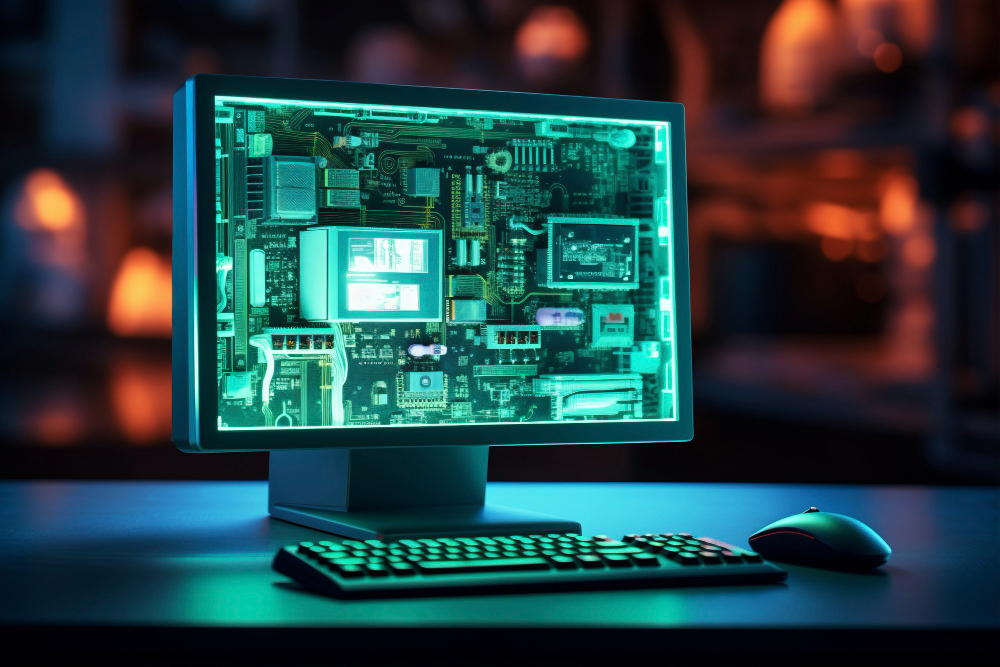

People want tech that feels clear and easy. Many devices today feel crowded with menus and long setups. This can confuse new users. A single-board computer feels calm by comparison. It shows all the parts on one board. You can see the chip, the ports, and the power links. You understand the device just by looking at it. This simple design helps many people feel safe. They do not fear breaking the device. They can try things without stress. In 2025, ease matters, and single-board computers give people that comfort.
A Low-Cost Way To Learn
Price plays a big role in tech use. Many people cannot buy high-end machines. A simple and cheap board feels more fair. It helps more families join the digital world. Kids can explore coding without a big bill. Schools can train hundreds of students with low budgets. Makers can test many ideas because the boards cost so little. If one breaks, the loss is small. This lowers fear and builds courage. A low-cost tool invites more learning, more tests, and more bright ideas. That is why these boards thrive in 2025.
Small Size, Big Possibilities
A single-board computer may look tiny, but it opens a wide world of ideas. You can hide it inside a model car, place it behind a screen, or clip it under a desk. Its size makes it easy to use in tight spots. Makers enjoy this freedom because they can build with no limits. A small board can power lights, track plants, run games, or guide sensors. Each new project shows how much these little boards can do. They prove that even the smallest tools can spark big imagination.
Power That Feels Just Right
Single-board computers do not try to compete with huge computers. They focus on “just enough power.” They can browse the web, run games, control smart tools, and teach code. They stay cool without loud fans. They use less energy than bright light bulbs. Many boards run for hours on a small battery. This helps outdoor users, students, and builders with limited power sources. The balance of speed, heat, and energy use feels perfect for many tasks. People like tech that keeps life simple, and these boards do that well.
A Friendly Way To Explore Code
Coding becomes less scary when the device feels warm and simple. A single-board computer invites you in with a clear setup and quick results. You write a line, and a light turns on. You write a few more, and a sensor comes to life. This gives people instant feedback. It keeps them curious. Many users learn at their own speed and feel proud with each step. Kids, adults, and even first-time learners enjoy this smooth path. It turns coding from a tough subject into a fun and friendly skill.
A Community That Loves To Share
A strong community sits at the heart of these boards. Online groups share designs, apps, tools, and lessons. Makers post photos of smart builds or fun toys. Teachers share free worksheets for classes. People help each other fix small mistakes. This support reduces fear. It also builds trust and excitement. When a community grows, the device grows too. More guides mean more users. More users mean more ideas. This cycle continues in 2025, and it keeps the boards popular worldwide.
A Tool for Fun and Play
People love fun tech. Single-board computers offer a playful space. You can set up retro games. You can build story screens or music boxes. You can manage light strips that turn rooms into art. Many families use the boards for small home theaters. Others explore ideas for school clubs or weekend builds.
Some hobby users even explore simple web tools on these boards, and one shared example involved reading data from a website related to bestaustraliancasinosites aussie online pokies, proving how wide the range of uses can be. This play-friendly nature draws people in. A tool that brings joy becomes a tool people keep.
Easy Links to the Real World
These boards connect to many real-world parts. They can read heat, noise, light, or water levels. They can move motors, flip switches, or ring alarms. They can react to sensors in under a second. This helps students learn how machines “sense and act.” It helps farmers build low-cost tools for daily tasks. It helps home users build small safety systems. The mix of digital logic and real-world action makes the boards powerful. People love seeing their code come alive in the world around them.
Strong Use in Work and Industry
Single-board computers are not only toys or study tools. Many workplaces use them every day. They act as small controllers for machines. They log data in stores or farms. They manage tiny screens at service counters. They check air levels in warehouses. They guide small robots in labs. Companies choose them because they are cheap, easy to replace, and flexible. A tech team can fix or change them in minutes. This saves time and cuts cost. As more jobs need small smart tools, these boards rise in value.
A Good Fit for Remote and Rural Areas
Not all places have strong tech support. Some towns have slow internet or weak power. Single-board computers help fill that gap. They use little power, work offline, and run on solar panels. Field workers use them to gather data. Teachers use them to show basic coding skills. Clinics use them to track small records. They are safe to transport and easy to set up. This makes them perfect for remote users who need simple, strong tools in 2025.
Better Boards in 2025
Tech keeps improving. This year, many boards received big upgrades. More memory. Faster chips. Better Wi-Fi. More USB ports. Smoother graphics. Some even support tiny AI tools, like simple object tracking or voice detection. These upgrades allow new types of builds. Users can make smart cameras, smart doors, or simple robot brains. All this progress keeps the boards fresh. When tools improve, interest grows. That is why 2025 sees such strong demand.
Rising Use in Green Energy Systems
People care more about energy use today. Homes add solar panels. Farms add wind tools. Cities add sensors for clean air. Many of these tools use small boards as controllers. They monitor power. They track heat. They watch weather. They guide small pumps or fans. Since single-board computers use so little energy, they fit well with clean systems. This helps the world move toward greener choices. In 2025, green tech and small boards grow side by side.
Strong Demand from the Maker Movement
Makers love to build things with their own hands. They want tools that help them think and create. Single-board computers are perfect for this. They connect to motors, sensors, lights, screens, and buttons. Makers can turn simple parts into smart tools fast. Many meet in clubs or events where they show off new builds. This social energy spreads excitement. The maker movement gives these boards a home, and the boards give the movement new life.
A Bridge Between Kids and Tech
The boards act as a bridge between young minds and modern tech. Kids learn to code in small steps. They test simple tasks and watch devices react. They see how computers “think.” This early skill helps them feel ready for future jobs. It also builds confidence. A kid who lights an LED today may build a robot next year. Teachers love tools that spark curiosity. Parents love tools that are cheap and safe. This gives single-board computers a bright future in education.
Final Thoughts
Single-board computers stand out in 2025 because they mix ease, power, and creativity in one small frame. They meet the needs of students, hobby users, workers, and families. They cost little. They use little energy. They encourage learning and play. They also help people build smart tools for daily life. As long as people enjoy tech that feels open and simple, these boards will stay strong. Their story is still growing, and many exciting ideas are yet to come.